
-
Black and White Rattle Set with Rattle and Maraca
Regular price £9.00Regular price -
Blushing Bunny Baby Rattle
Regular price £15.00Regular price -
Brave Bear Baby Rattle
Regular price £15.00Regular price -
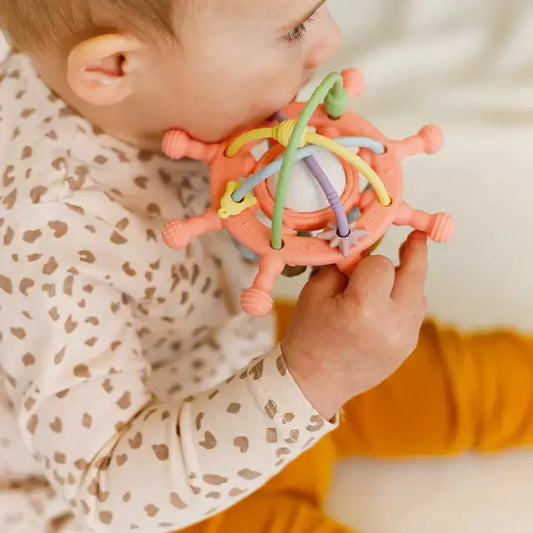
Silicone Rattle Teether Toy
Regular price £6.50Regular price -
Sophie la Girafe Sweety Sophie Squeaking Rattle
Regular price £9.50Regular price -
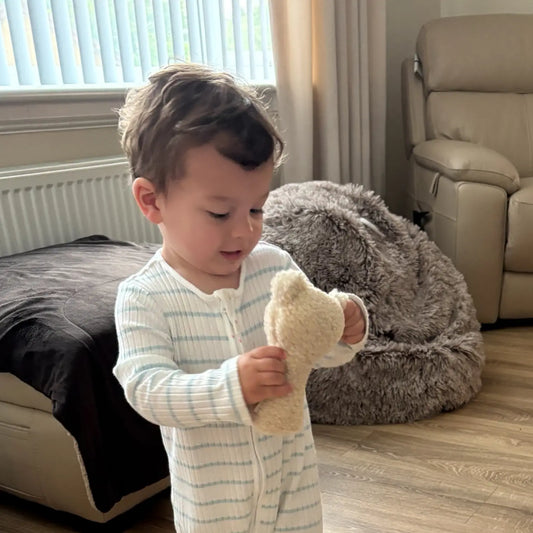
Teddy Bear Baby Rattle – Soft Plush Stick Rattle Toy for Newborns
Regular price £5.00Regular price -
Sophie la Girafe Activity Arch for Prams, Car Seats & More
Regular price £41.00Regular price -
Sophie la Girafe Early Learning Set
Regular price £28.00Regular price -
Sophie la Girafe Maraca Set
Regular price £28.00Regular price -
Snuggable Sensory Bunny with Cloth Book
Regular price £16.00Regular price -
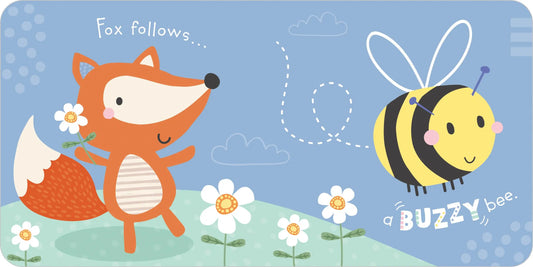
Snuggable Sensory Fox with Cloth Book
Regular price £16.00Regular price -
Rain Maker
Regular price £12.00Regular price -
Cream Gift Set - Organic Rattle + Comforter
Regular price £29.00Regular price -
Roly Poly Balls - Jungle Theme
Regular price £16.00Regular price -
Tiny Friends - Jackson the Lion
Regular price £10.00Regular price -
Tiny Friends - Tim the Tiger
Regular price £10.00Regular price -
Tiny Friends - Vincent the Elephant
Regular price £10.00Regular price -
Tiny Friends - Gina the Giraffe
Regular price £10.00Regular price -
Big Roller Rattle
Regular price £20.00Regular price -
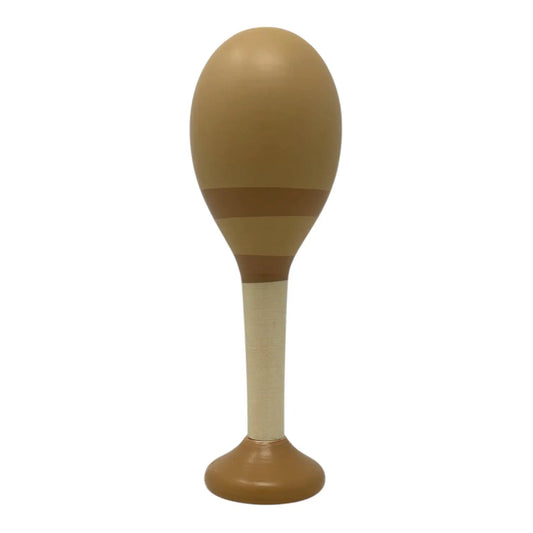
Jumini Wooden Maraca – Baby's First Musical Instrument | 5M+
Regular price £7.00Regular price -
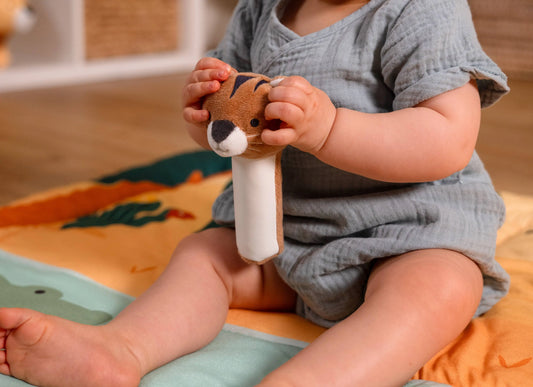
Little Big Friends Tim the Tiger Squeaker Rattle – Baby Sensory Toy | 0m+
Regular price £6.00Regular price -
Highland Cow Knitted Baby Rattle in Stripe Jumper
Regular price £13.00Regular price -
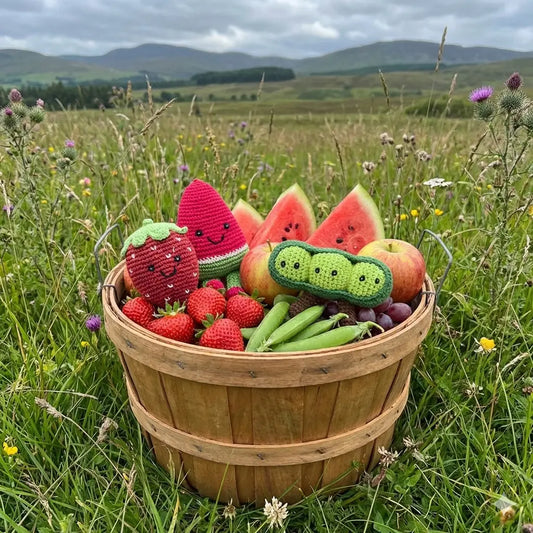
Crochet Peapod Baby Rattle in Organic Cotton
Regular price £10.00Regular price -
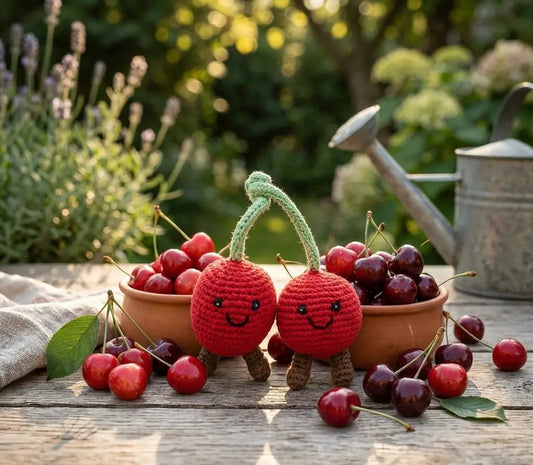
Crochet Cherries Baby Rattle in Organic Cotton
Regular price £10.00Regular price -
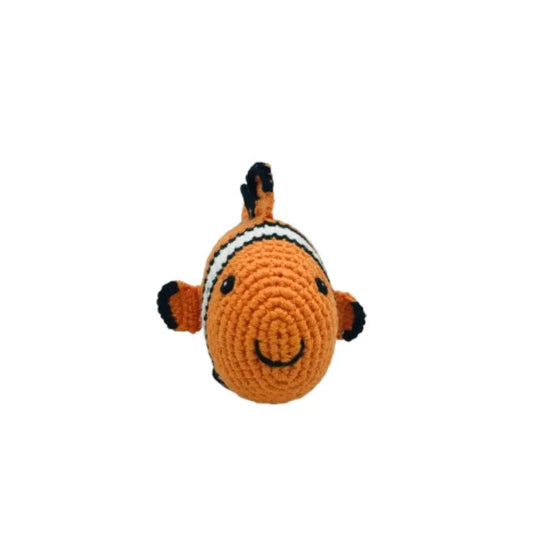
Crochet Clown Fish Baby Rattle in Organic Cotton
Regular price £13.50Regular price -
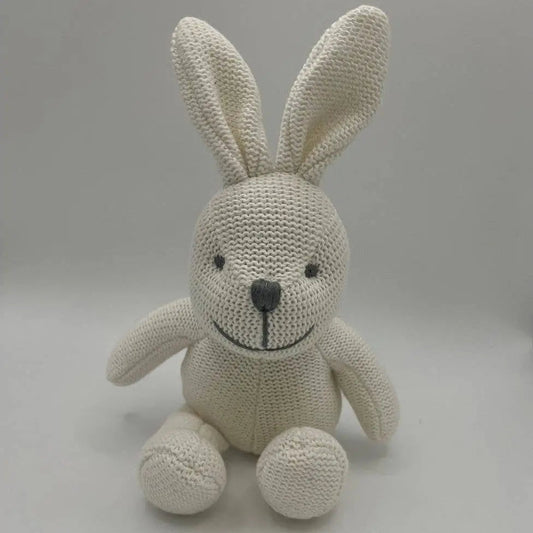
White Bunny Baby Rattle in Organic Cotton
Regular price £13.00Regular price -
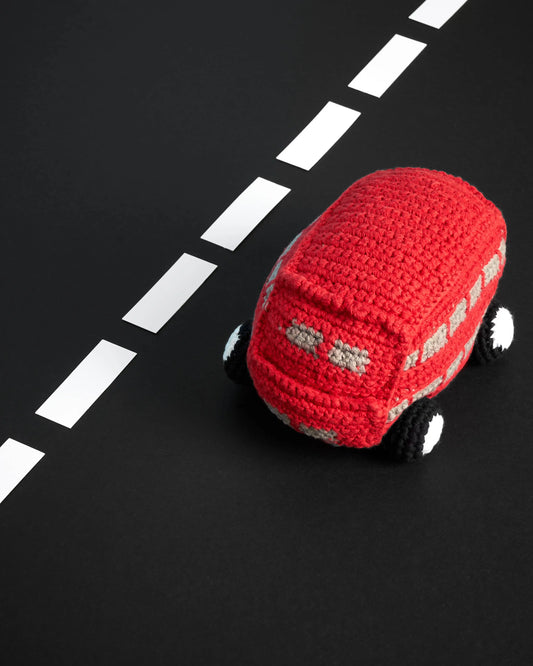
Crochet London Bus Baby Rattle in Organic Cotton
Regular price £18.00Regular price -
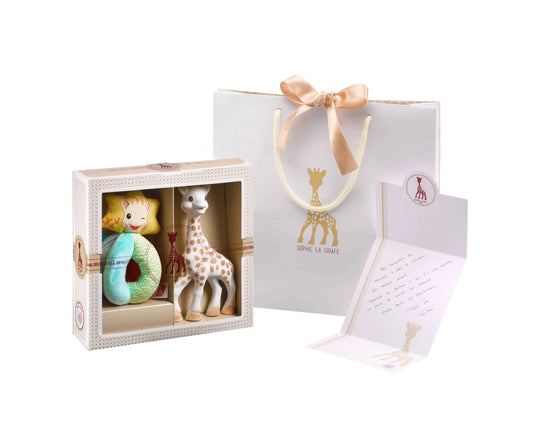
Sophie la Girafe 'Sophiesticated' Teether and Rattle Gift Set
Regular price £28.00Regular price -

 Sold out




















Baby rattles — shake, giggle, repeat
The rattle is the original baby toy, and it has survived every trend since because it does something no other toy does at this age: it gives a baby their very first taste of cause and effect. Shake, noise. Shake again, noise again. That connection — I did that — is a genuine developmental moment.
When can a baby hold a rattle?
Most babies can grasp a rattle placed in their hand from around three months, and deliberately reach for one at four to five months. Before that, a rattle is something you shake for them, which is still worth doing — tracking a sound is a skill in itself.
Full detail in our guide to when babies can hold a rattle.
What we stock
- Soft plush rattles — light, safe to bash themselves with, and the right first choice for a newborn. The teddy bear stick rattle is a good starting point.
- High-contrast rattles — newborn vision responds to bold black and white long before it manages pastel. Our black and white rattle set pairs a rattle with a maraca.
- Silicone rattle teethers — two jobs in one, and useful from the moment gums start hurting. See the silicone rattle teether.
- Natural rubber — Sophie la Girafe rattles and gift sets, soft and warm to hold.
- Wooden rattles — a satisfying, gentler sound, usually graded from six months because of weight.
What to look for
- Light enough to lift. A rattle a baby can't raise is a rattle they'll ignore. Weight matters more than anything else at this age.
- Easy to grip — a narrow handle or ring suits small hands better than a chunky body.
- Safe to chew, because it will be. Food-grade silicone, natural rubber or a machine-washable fabric.
- UKCA or CE marked to BS EN 71, with no small detachable parts.
- Not too loud. A rattle held at arm's length is very close to a baby's ears.
Rattles also make one of the more reliable baby shower gifts — small, always useful, and nobody has too many.
Browse our teethers, sensory toys and toys suitable from birth.
- Choosing a selection results in a full page refresh.
- Opens in a new window.