
-
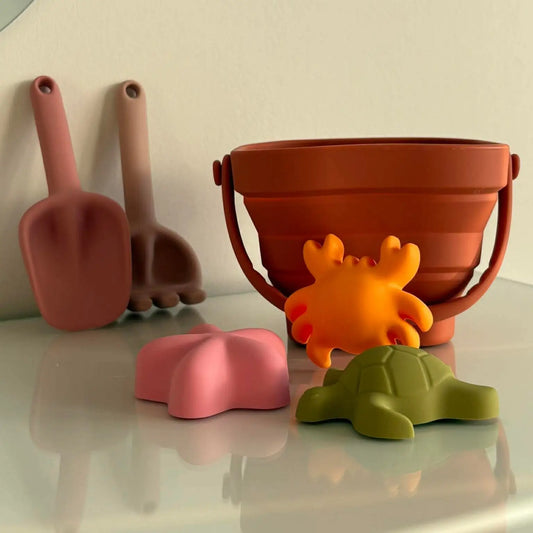
Silicone Beach Bucket with Sand Moulds
Regular price £22.00Regular price -
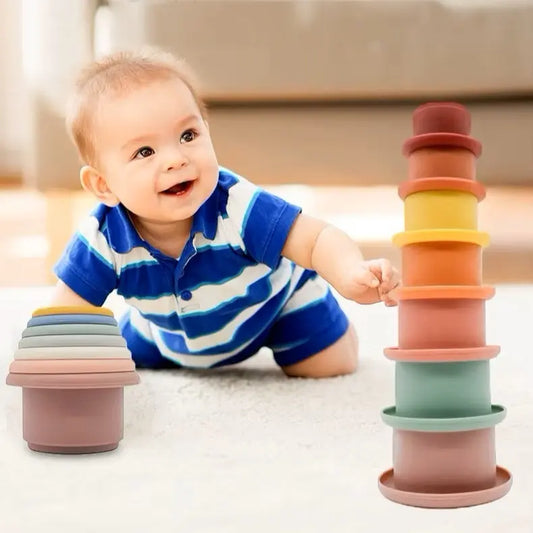
Silicone Stacking Cup Toy
Regular price £6.00Regular price -
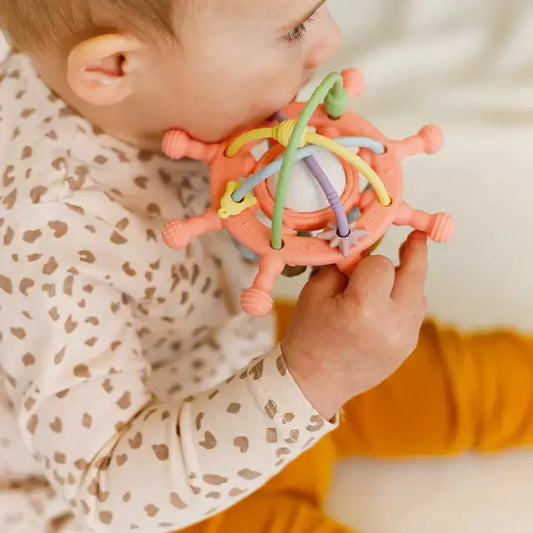
Silicone Rattle Teether Toy
Regular price £6.50Regular price -
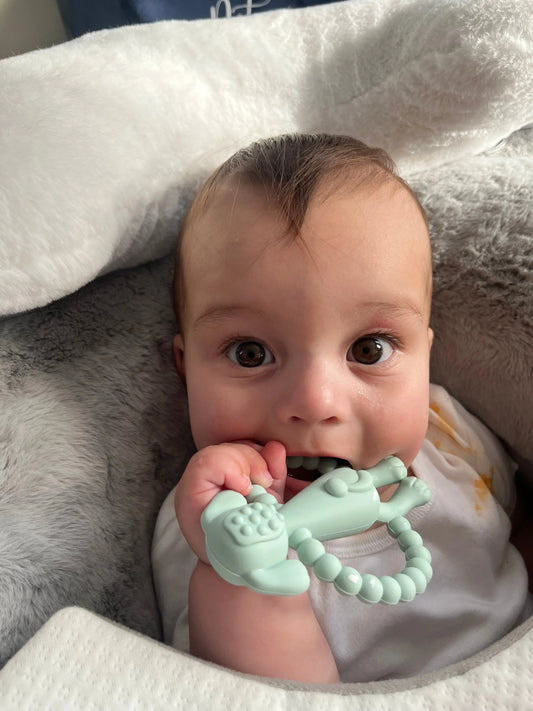
Silicone Baby Teether - Angus the Cavapoo
Regular price £8.00Regular price -
Mould Free Silicone Bath Toys for Babies and Kids
Regular price £12.00Regular price -
Silicone Rainbow Stacking Toy – Baby Stacking & Teething Toy for Early Learning
Regular price £9.00Regular price -
Silicone Baby Building Blocks – 12 Piece Soft Sensory & Teething Toy Set
Regular price £17.00Regular price -
Silicone Toy Pick Up Truck
Regular price £6.00Regular price -
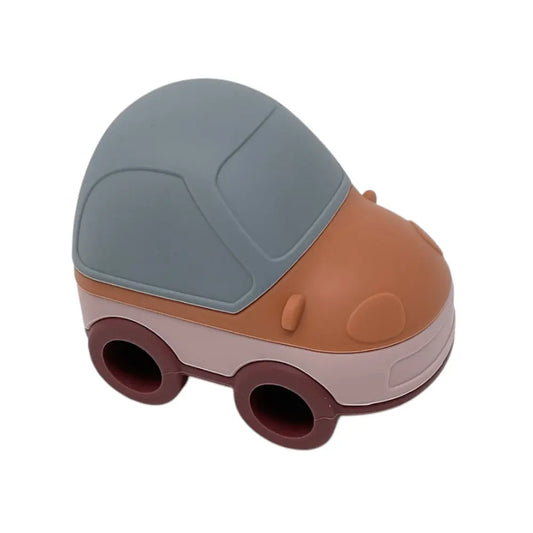
Car Stacking Toy
Regular price £6.50Regular price -
Flying Saucer Stacking Toy
Regular price £6.50Regular price -
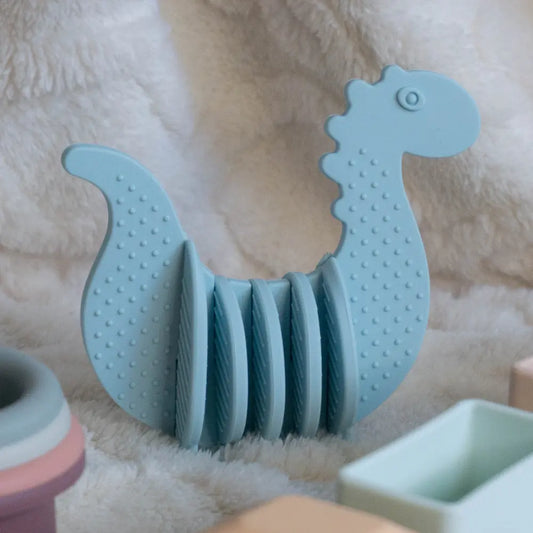
Silicone Dinosaur Stacking Toy
Regular price £4.00Regular price -
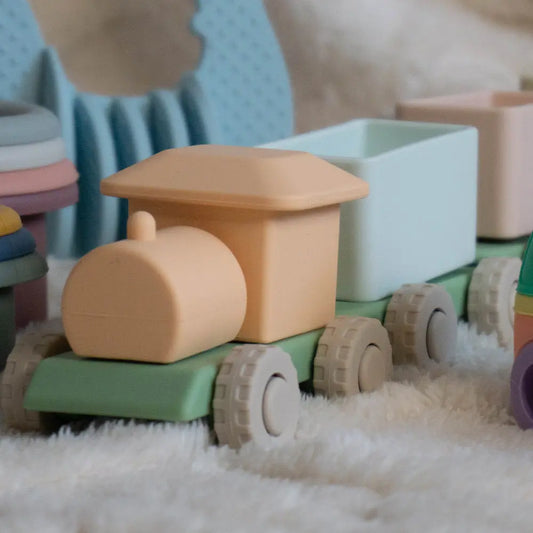
Silicone Toy Train Set
Regular price £16.00Regular price -
Silicone Spinner
Regular price £5.00Regular price -
Silicone Mobile Phone Toy
Regular price £5.00Regular price -
Silicone Stacking Flower Toy
Regular price £7.00Regular price -
Jumini Baby Pulling Toy – Montessori Silicone Teething Toy | 6M+
Regular price £10.00Regular price -
Silicone Shape Puzzle
Regular price £8.00Regular price -
Silicone Toy Ambulance
Regular price £6.00Regular price -
Silicone Wood Teether
Regular price £6.00Regular price -
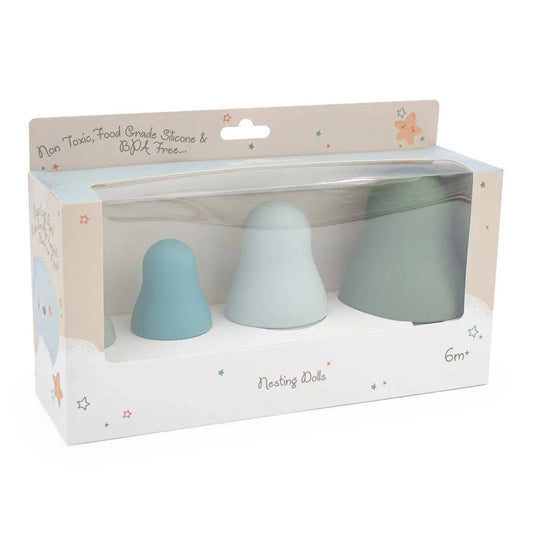
Silicone Nesting Dolls – Soft Stacking Toy from 6 Months
Regular price £14.00Regular price











The material built for the stage when everything goes in the mouth
There's a window — roughly birth to eighteen months — when a baby investigates the world by putting it in their mouth, and no amount of wooden loveliness changes that. Silicone is the material that handles it: soft on sore gums, impossible to splinter, and washable to a standard wood simply can't match. Everything here is food-grade silicone, free from BPA and phthalates.
🦷 For teething, first and foremost
Our most-bought toy in the whole shop is a silicone one — Angus the Cavapoo, a teether shaped like a very patient dog. Alongside him sit the silicone spinner, the silicone and wood teether for babies who like two textures at once, and the Jumini pulling toy. More options in baby teethers.
🛁 Bath toys that don't grow a black surprise inside
If you've ever squeezed an old rubber duck and watched something dark come out of the hole, you'll understand why our mould-free silicone bath toys have no hole at all. Sealed, so nothing gets in and nothing grows. The silicone beach bucket and sand moulds folds flat for a bag, which is more than can be said for the plastic one that cracks on the drive home. See all our bath toys.
🌈 Stackers, and the reason there are so many
Stacking is the skill babies practise hardest between six and eighteen months, so we stock it properly: a rainbow, a flower, nesting cups, a dinosaur, a car, a flying saucer and soft nesting dolls. The silicone versions can be gummed as hard as you like while the stacking is being worked out. More across the range in stacking toys.
🚑 Vehicles, blocks and the rest
The ambulance and pick-up truck are soft enough to be thrown at a sibling without consequence, which is not nothing. There's also a train set, a 12-piece building block set, a shape puzzle, a rattle teether and a mobile phone for the baby who only ever wants yours.
⚠️ Worth knowing before you buy
- Silicone attracts lint. It's the one genuine annoyance — a toy that's been in a changing bag will come out wearing fluff. It rinses off in seconds, but nobody mentions it before you buy one, so we will.
- Strong-smelling food can leave a trace. If a teether has been near curry or berries, a soak in warm soapy water sorts it; a dishwasher cycle sorts it properly.
- Check for nicks as teeth arrive. Soft silicone is tough, but a baby with a full set of teeth can eventually break the surface, and a torn piece is a choking risk. It's a ten-second look while you're washing up — retire anything that's split.
Silicone or wood?
They do different jobs, and most families end up with both. Silicone suits birth to around eighteen months, when toys are mouthed, dropped and washed constantly. Wood comes into its own from about six months, once a baby can sit up and grasp properly, and then lasts for years — our wooden toys range is built around that. If you're buying for a newborn, start with silicone and fabric; see everything suitable from birth, or toys from six months for the sitting-up stage.
A note on cleaning
Most of these go in the dishwasher, top rack, and come out looking new. That's the practical case for silicone over almost anything else in the toy box — and the same reason it works so well for silicone feeding, where the mess is considerably worse.
❤️ From our family to yours
We're a small family business in Scotland, and Emma on our team is a qualified Early Years Practitioner — so if you're weighing up silicone against wood for a particular age, ask and you'll get a straight answer rather than a sales pitch. Free UK delivery on orders over £25.
- Choosing a selection results in a full page refresh.
- Opens in a new window.